

«You enter a space between chaos and opportunity.»
This welcoming message greets visitors at the V2gi textile upcycling centre in the small Estonian town of Riisipere, a place recently explored by students from the SiT Sustainability in TCLF (Textiles, Clothing, Leather, and Footwear) project.
V2gi is a vibrant testament to the fact that tackling textile waste is not just an environmental necessity but a wellspring of social and economic potential.
The global textile industry grapples with an immense waste problem, underscoring the critical need for increased consumer awareness and, more importantly, a commitment to longer product life cycles. V2gi is confronting this issue head-on, working systematically to demonstrate the vast possibilities hidden within discarded textiles.The Vision Behind V2gi
At the heart of this initiative is Auli Uiboupin, a woman who embodies a multi-faceted mission. She describes her role as that of an environmental protector, a mental health supporter, and a social worker. With an infectious, self-aware humour, she acknowledges the scale of her project, admitting, “Maybe the idea is a bit crazy,” as she meticulously transforms an old shop building in Riisipere into a bustling upcycling hub.
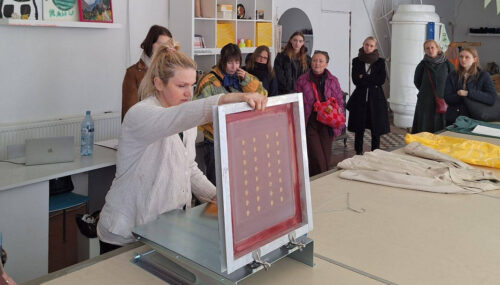
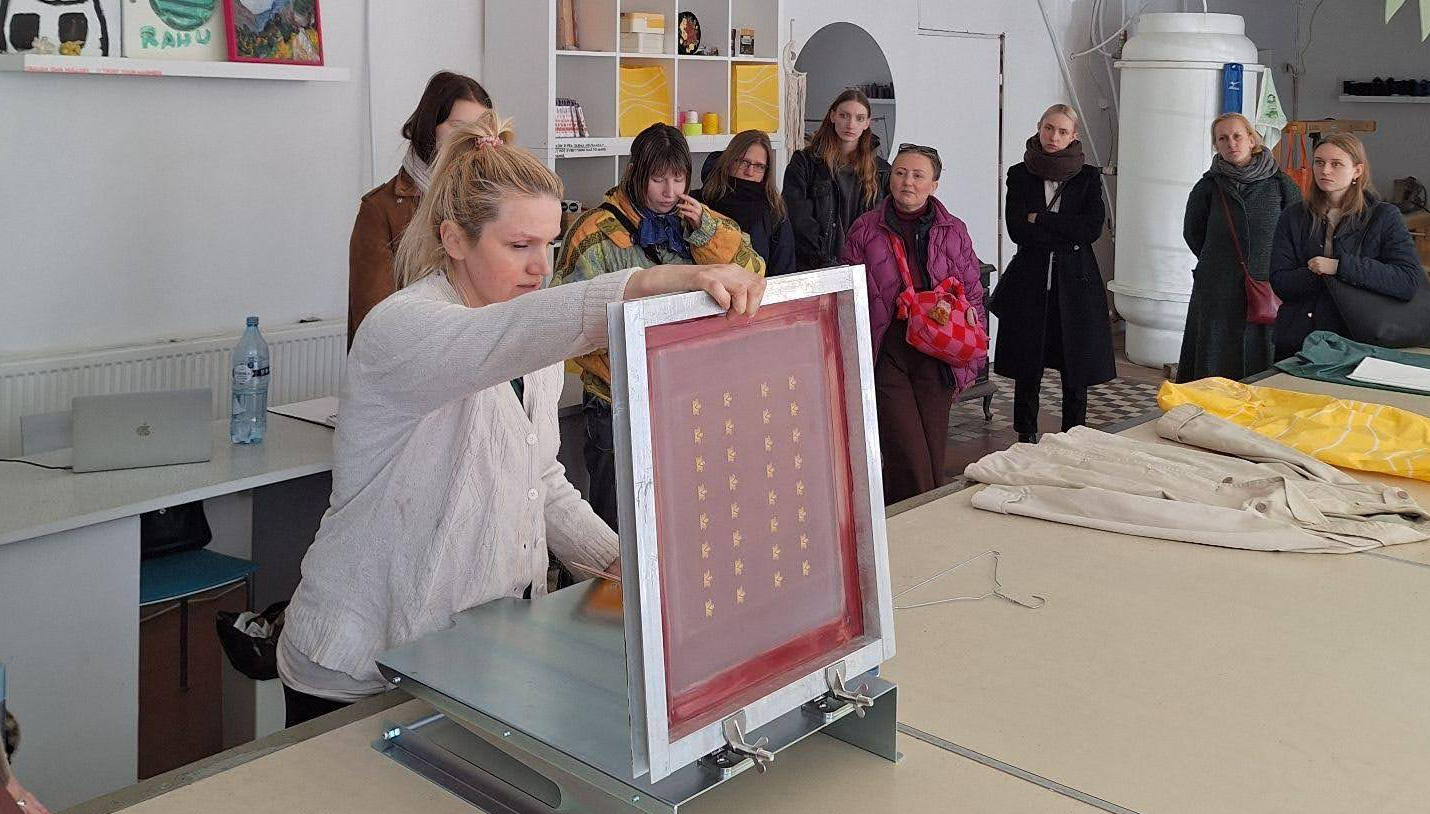
The centre itself is a dynamic, creative environment. The space is equipped with an array of vital tools for textile transformation: second-hand sewing machines, sturdy looms, specialised silk screen tools, and various other pieces of equipment—all ready to give new purpose to old materials.
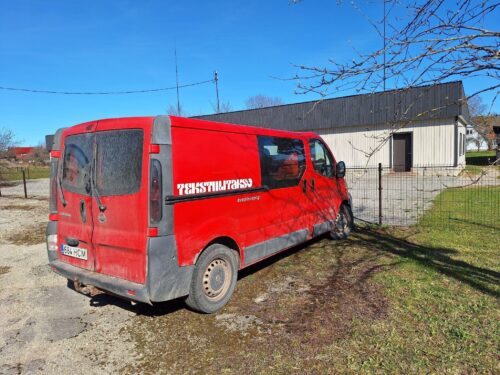
A cornerstone of V2gi’s operational strategy is the Textile Taxi. Auli personally drives around the local community, actively collecting leftover and unwanted textiles. Her collection process is methodical, promoting a conscious approach to sorting at the source: “Good, reusable items go into one bag, those that need repair into another,”
Beyond community donations, Auli has successfully tapped into the often-overlooked corporate waste stream. She procures leftover fabrics and unsold products from companies, frequently in significant quantities. She has found that a strategic approach is key to corporate engagement: “Companies have a lot of waste. They don’t have time for small requests, but if you ask for bigger quantities, they will respond,” she notes, highlighting the potential for large-scale material rescue.
A Model of Circularity and Social Inclusion. The materials collected through the Textile Taxi feed a comprehensive, circular system that generates both environmental and social value:
-
- The Free Community Shop: High-quality, gently used items are immediately routed to a free community shop within the centre. This resource ensures that anyone in the local area can access the clothing and textiles they need, fostering community support and resource sharing.
- Skilled Labour and Dignified Work: Items requiring repair or complete transformation are entrusted to skilled hands. V2gi provides meaningful, paid work for individuals often excluded from the traditional labour market. Auli highlights the untapped potential of older generations: “It’s amazing what skills older people have. They may be out of the job market, but they still want to do something.” These artisans collaboratively turn used clothes into desirable new garments. Crucially, Auli insists on fair compensation: “It’s important that they are paid for their work,” she emphasises.
- Products and Market Reach: The new upcycled garments are initially sold through the Reloved second-hand shops in Finland, with ambitious future plans to expand their market reach to major European cities like Berlin and beyond.
- Support for Individuals with Special Needs: The centre is also a place of inclusion for people with special needs. Auli thoughtfully finds suitable tasks that are both productive and therapeutic. She observes that detailed, repetitive work, such as unraveling sweaters and winding yarn, can have a profoundly calming and positive effect on well-being.
Creative Transformation and Future Vision
Not all materials are suitable for traditional garment upcycling. Auli demonstrates a boundless creativity, transforming these more challenging textiles into other valuable products, such as decorations for local events or as raw materials for workshops held at the centre. “I make everything from waste,” she proudly states, embodying a truly zero-waste philosophy.
Despite the pervasive nature of textile waste as a global crisis, Auli holds a strong conviction in the future of this localised, community-driven work. Her ultimate vision is for a network of similar centres—places where people can gather, create new goods from old materials, and earn a dignified wage for their contribution.
The centre is a living example of intergenerational learning: “I learn from them and they learn from me. It’s great to see a retired person try something new, learn it, and really get into it,” she says with a warm smile. Beyond the creative output, the work combats social isolation, helping participants feel useful, connected, and less alone. A Call to Action
With her remarkable energy and entrepreneurial spirit, Auli Uiboupin serves as a powerful inspiration for others considering similar initiatives. She passionately argues that the barriers to entry are lower than many believe. A project like V2gi does not require massive initial capital; it can, and should, grow incrementally, step by step. Her final, motivating challenge to would-be entrepreneurs is simple and direct: “You don’t have to wait for EU funding or a local municipality to tell you what to do. You just start.”