

Fostering Green Creativity
In March 2026, the Šibenik University of Applied Sciences (Croatia) promoted sustainable practices within the Textiles, Clothing, Leather, and Footwear (TCLF) sectors by organizing two distinct and engaging workshops as part of the SiT project. These events successfully brought together a diverse cross-section of the community, highlighting the importance of creativity, skill development, and responsible consumption in the fashion industry.
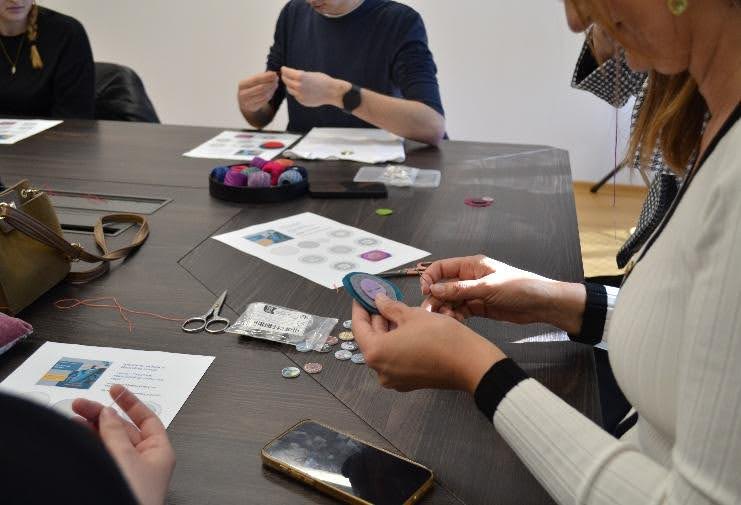
The first workshop, titled “Rearrange, Transform and Wear Again” and led by Martina Bobovčan Marcelić took place on 20th March 2026 and provided a vibrant space for expression and upcycling. This session attracted a keen audience of students, educators, and dedicated fashion enthusiasts who were eager to delve into the principles of sustainable fashion through hands-on creative work.
Key Activities and Outcomes:
- Creative Expression: Participants were actively encouraged to design and craft their own unique emblems. This activity was not merely an artistic endeavor but a lesson in giving existing materials new life and meaning.
- Personalized Mementos: The core of the workshop involved participants sewing these personally designed emblems onto their own T-shirts, which they brought specifically for this purpose.
- Project Context: The event was directly aiming to stimulate creativity, encourage environmentally responsible decision-making regarding apparel, and embed a comprehensive, responsible approach to fashion consumption and production.
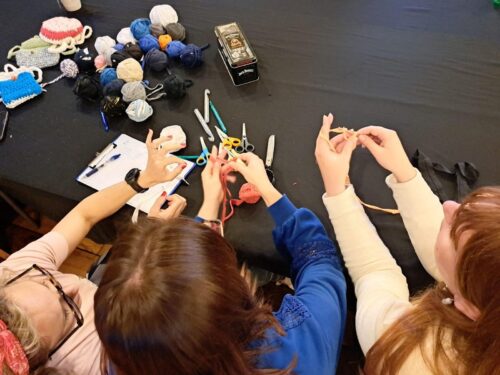
The second event, a creative crochet workshop, was hosted at the dynamic cultural venue, Klub Azimut on 26th March 2026. This workshop successfully convened participants with a shared interest in developing practical textile skills while simultaneously exploring the deep potential of a sustainable, circular approach to materials.
Focus on Practical and Green Skills:
- Introduction to Crochet: The session provided an interactive introduction to the fundamental techniques of the crochet method.
- Promoting Material Reuse: A central theme of the workshop was the proactive promotion of material reuse. Creative work is a potent tool for giving discarded items a second, purposeful life.
- The Upcycled Bag Challenge: Participants were given the unique and rewarding opportunity to create their own functional bags. Crucially, these bags were constructed using recycled textile materials, specifically old cotton T-shirts. This inventive use of waste material directly underscored the circular economy’s principles.
Impact and Community Engagement:
- Diverse Participation: The workshop successfully drew a broad and diverse group, including current students, local entrepreneurs, and pensioners. This mix fostered a rich atmosphere of intergenerational exchange, collaboration, and shared learning, demonstrating that sustainability is a concern for all ages and professions.
- Led by Expert: The session was expertly guided by Ana Korunić, ensuring high-quality instruction and inspiration.
- Raising Awareness: Beyond skill acquisition, this approach significantly raised participants’ awareness about the critical need to drastically reduce textile waste and utilize resources in a far more conscious and sustainable manner.
These SiT project initiatives effectively highlighted the profound value of non-formal learning environments in cultivating the practical and “green” skills that are becoming increasingly essential and highly sought after in modern society’s transition toward a more sustainable global economy.